Demo website by TruckToWeb · fictional business
Smiling older man in a knit cap in his workshop

Emergency lines · answered 24/7

Plumbing or heating emergency? Call your city's line.

A dispatcher in your city answers, helps you stop the damage over the phone, and tells you the after-hours fee before a tech heads out.

Smell gas? Leave the house now. Don't flip switches or use the phone inside. From outside, call 911 or your gas utility's emergency number. Carbon monoxide alarm going off? Get everyone outside and call 911.

01Stop the damage while you call

Stop the damage while you call

01

Burst or leaking pipe

Shut off the main water valve. In most rowhouses and older homes it's in the basement on the front wall, where the water line comes in from the street. Turn the handle clockwise. Then open a faucet on the lowest floor to drain the pressure.
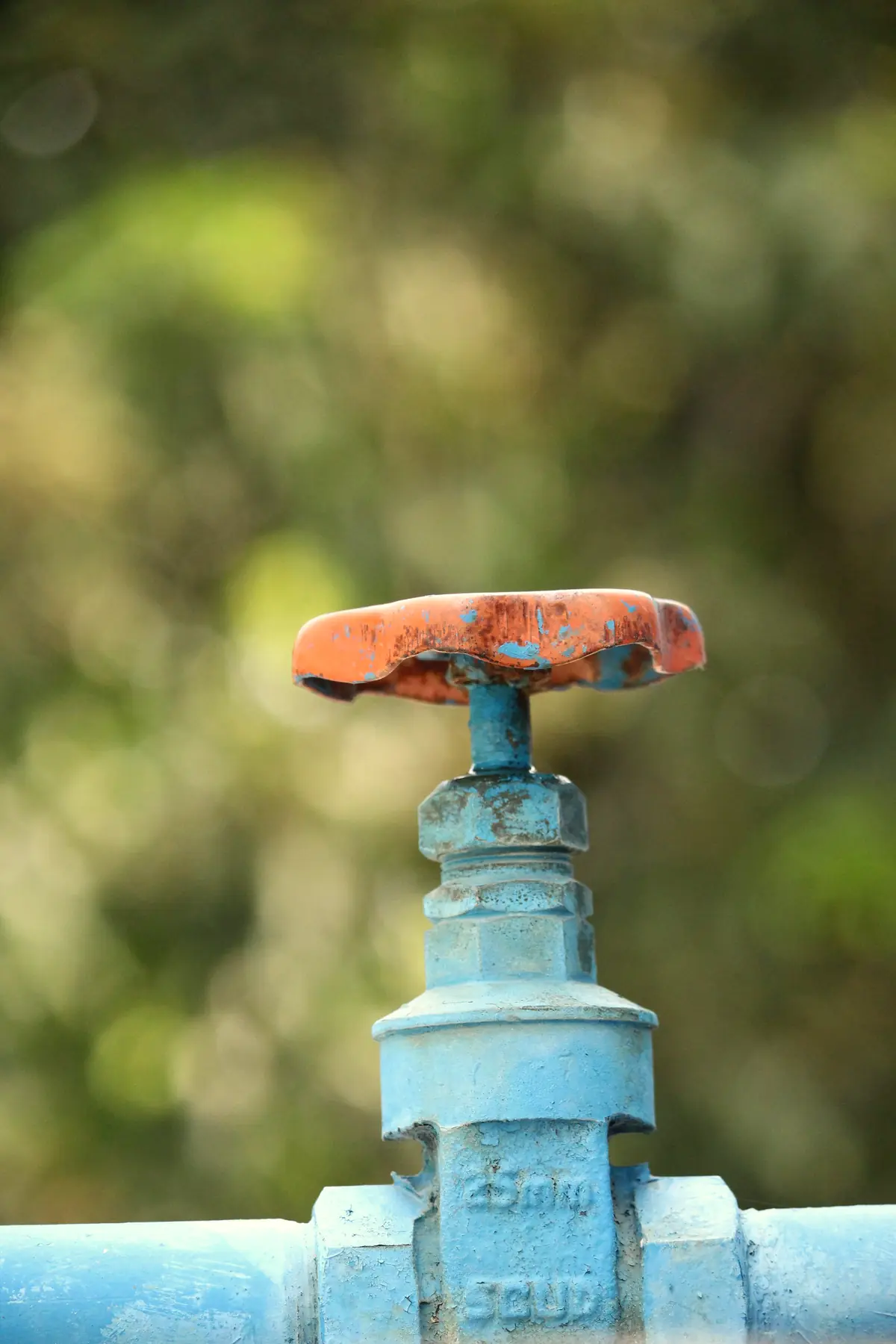
Water shutoff valve
Fig. 01
02

Sewage coming up a floor drain

Stop running water anywhere in the house: no flushing, no laundry, no dishwasher. Keep kids and pets away from the water.

Clean bathroom sink with a modern faucet and towel
Fig. 02
03

Leaking water heater

Turn off the cold water valve on top of the heater. Set the gas control to Pilot or Off, or switch off the breaker for an electric heater.

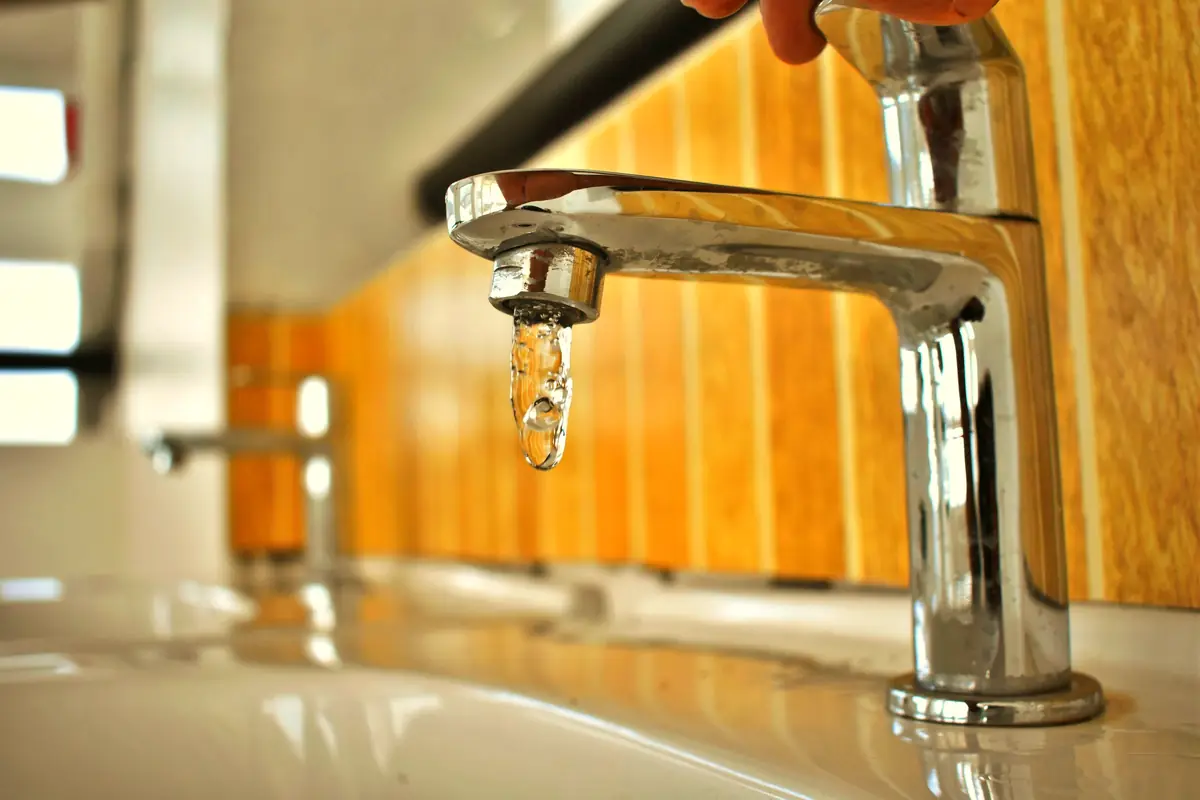
Water drop forming on a chrome faucet
Fig. 03
04

No heat

Check the thermostat setting and batteries, the furnace or boiler switch (often at the top of the basement stairs), and the breaker. On a high-efficiency furnace, make sure the outdoor vent pipes aren't blocked by snow. On a boiler, look at the pressure or water level gauge and tell us what you see.

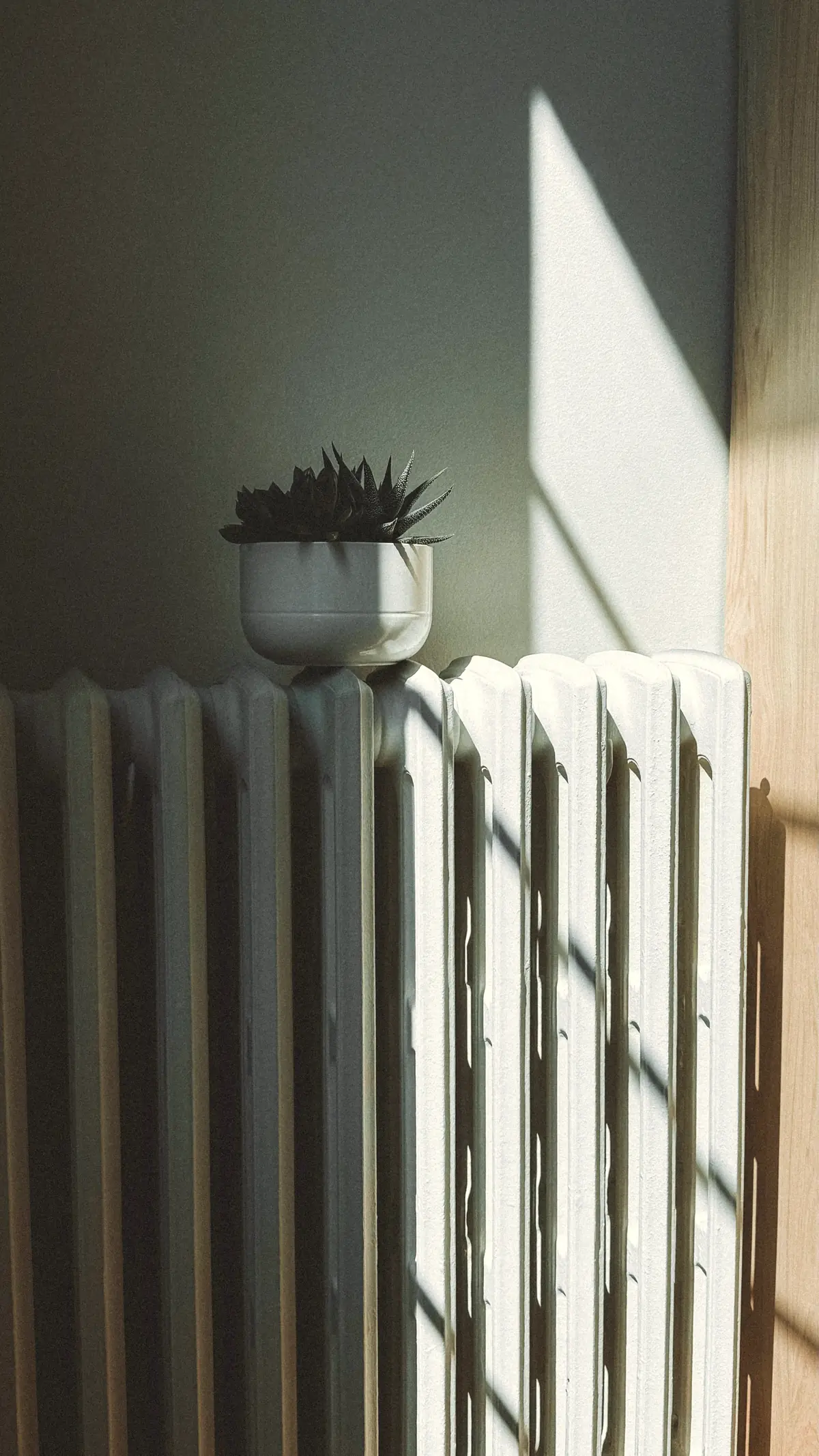
Radiator and plant in winter sunlight by a window
Fig. 04
05

Frozen pipe

Open the faucet it feeds, and warm the pipe gently with a hair dryer starting from the faucet end. Never use an open flame. If the pipe has split, shut off the main.

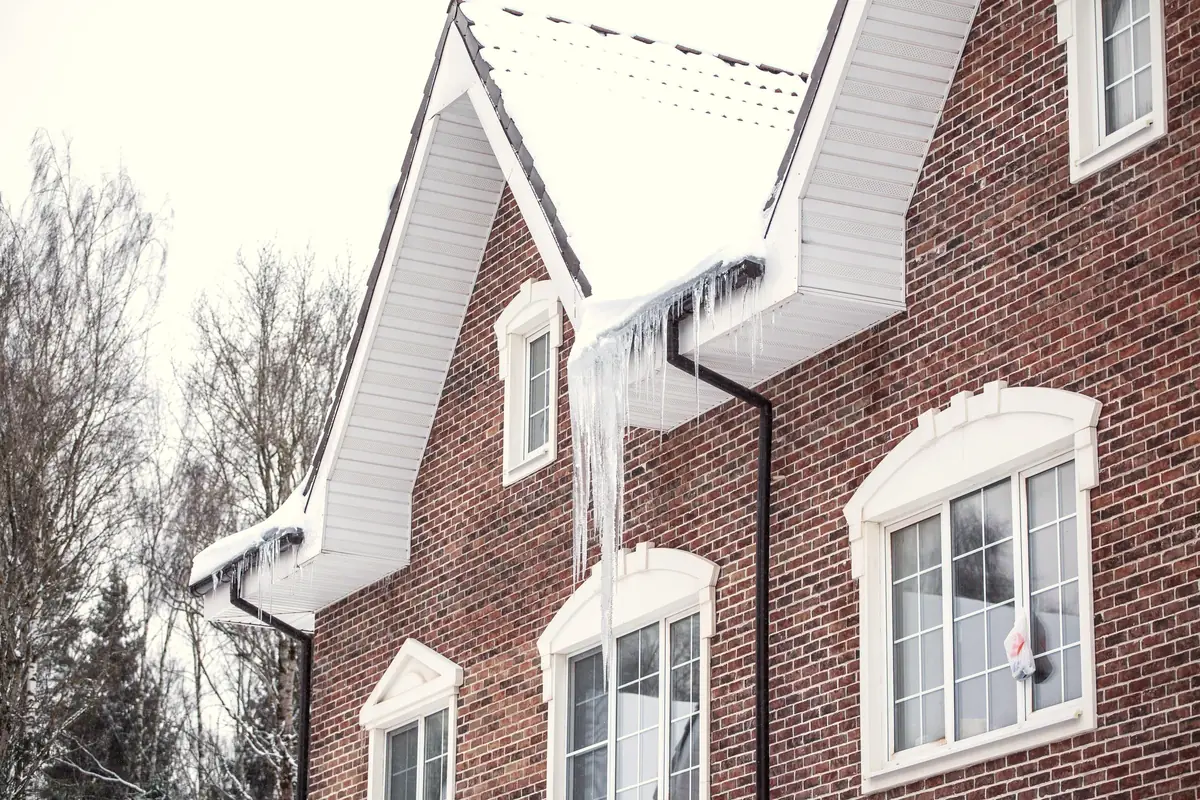
Icicles hanging from the eaves of a brick house after a hard freeze
Fig. 05
06

Sump pump failed during a storm

Check that it's plugged in and the breaker is on, and that the float isn't stuck. If water is rising, call us.

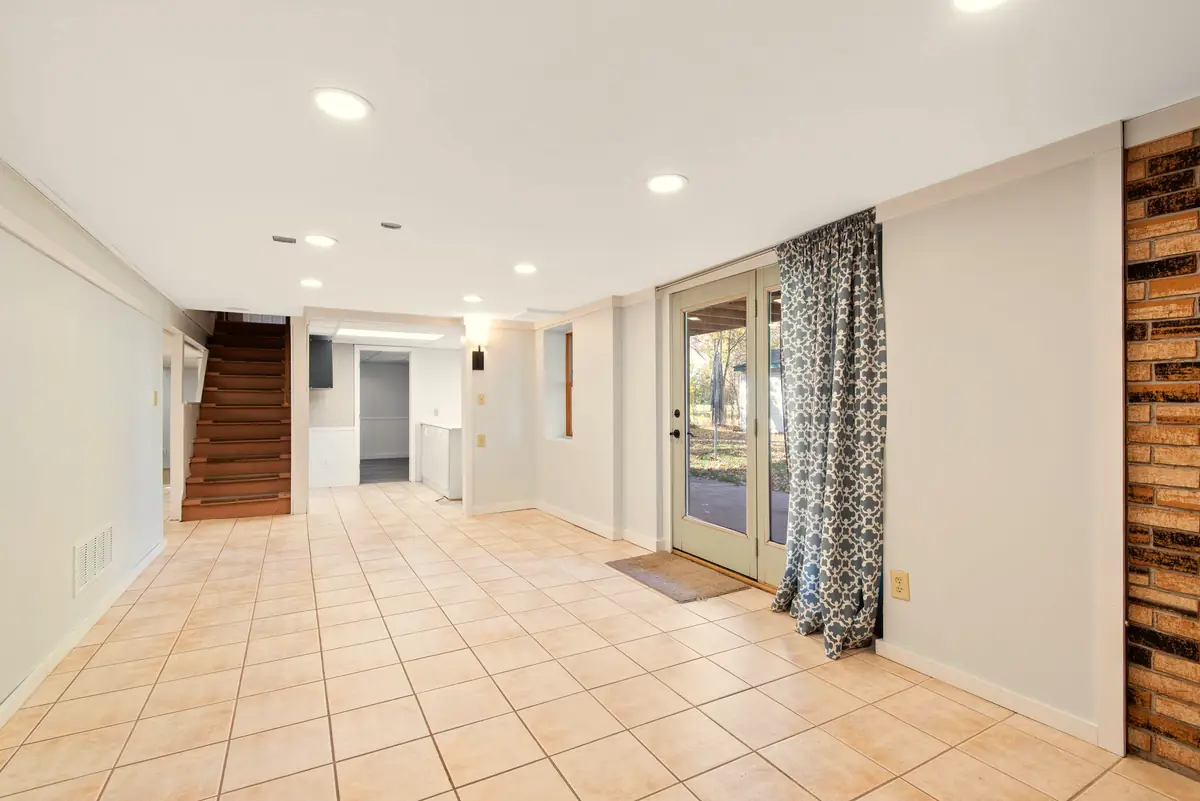
Dry, bright basement with tile floor and glass doors
Fig. 06

02What we treat as an emergency

What we treat as an emergency

  • Burst pipes and active leaks you can't shut off
  • Sewer backups into the basement or lowest floor
  • No heat in winter, especially with kids, older adults, or someone with health needs in the house
  • A leaking or failed water heater
  • Failed sump pump with water rising
  • Boiler high pressure or a relief valve spraying water
  • No cooling in a heat advisory for someone at risk

If it can safely wait until morning, we'll say so and book you first thing, so you don't pay an after-hours fee you don't need.

03What happens when you call

What happens when you call

  1. 01

    A dispatcher in your city answers

    They'll ask what's happening, whether the water is off, and who's home.

  2. 02

    You hear the fee first

    After-hours and holiday calls have a higher trip fee. We tell you what it is before anyone is sent.

  3. 03

    A tech heads out

    You get a text with your tech's name and an arrival window. During big freezes or storms, we prioritize active flooding, sewage, and homes with no heat and vulnerable people.

  4. 04

    Fix it or make it safe

    Most emergencies get fixed on the first visit. If a part or a dig has to wait, we make the system safe and lay out next steps and prices.

04Emergency questions

Emergency questions

Q01How fast can you get to me at night?

It depends on the weather and how many calls are coming in. On a normal night we can often reach most of each city's service area within a few hours. During a deep freeze or a big storm, we'll give you an honest arrival window on the phone rather than a promise we can't keep.

Q02Do you charge more for emergency calls?

Yes. Nights, weekends after hours, and holidays have a higher trip fee, and the dispatcher tells you what it is before a tech is sent. The repair itself gets the same upfront, flat-rate price. If your problem can safely wait until morning, we'll tell you, so you can choose to save the after-hours fee.

Q03Where is my main water shutoff?

In most older Pittsburgh and Philadelphia homes, it's in the basement on the wall facing the street, close to where the water line comes in and near the water meter. It might be a round handle or a lever. If you can't find it or it won't turn, tell the dispatcher. We can talk you through it.

PIT (412) 555-0144PHL (215) 555-0189