Drain cleaning
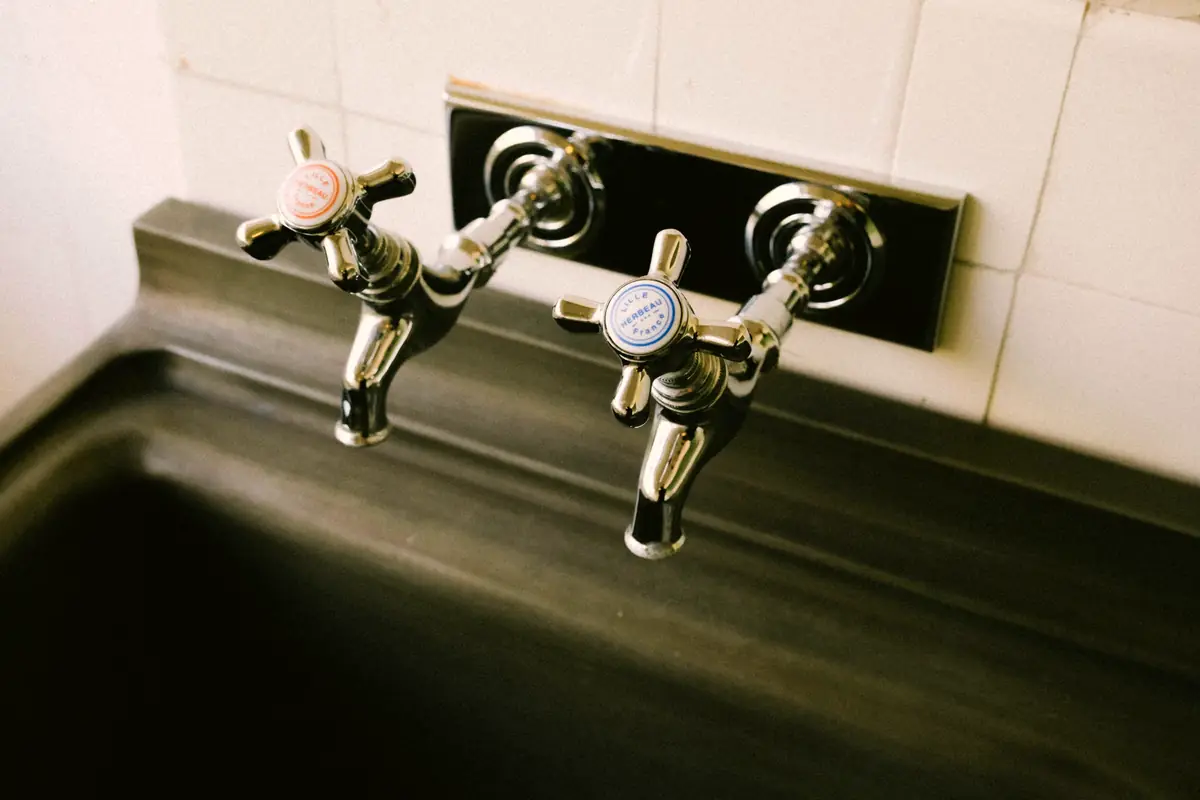
Kitchen, bath, laundry and floor drains cleared with the right size cable for the pipe. We don't pour harsh chemicals down old cast-iron.

Sewer & drain
Slow drains, a gurgling toilet, or water coming up through the basement floor drain? We clear the line, put a camera down it, and show you what's actually going on before we talk about repairs.
01Signs of a main line problem
One slow sink is usually a local clog. These point to the main sewer line:
02What we do
Kitchen, bath, laundry and floor drains cleared with the right size cable for the pipe. We don't pour harsh chemicals down old cast-iron.
We open the main from the cleanout or house trap and clear roots, grease and debris back to the street.
A waterproof camera goes down the line and records what we see: roots, cracks, offset joints, sags, broken clay. You watch the screen with us and get a copy of the video.
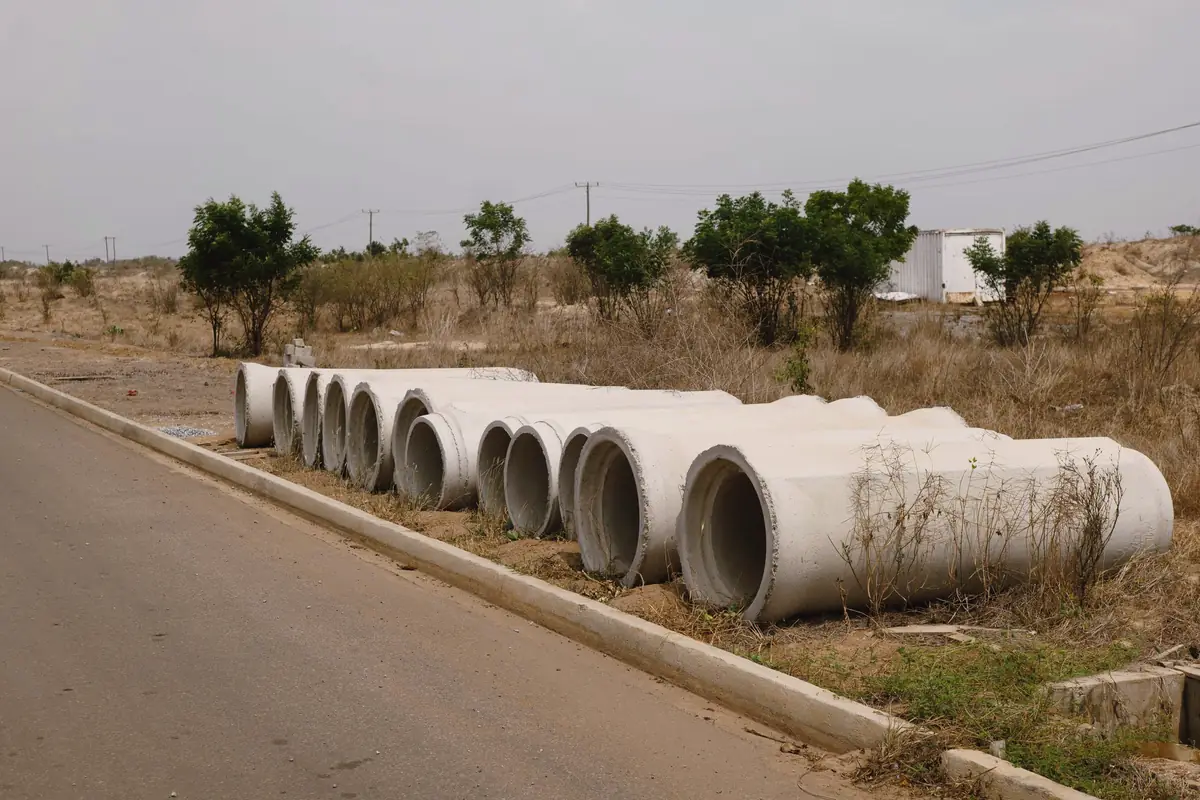
High-pressure water scours grease and roots from the pipe walls. Great for restaurants, rowhouse kitchen lines, and laterals that clog every year. We camera the line first to make sure it can handle jetting.
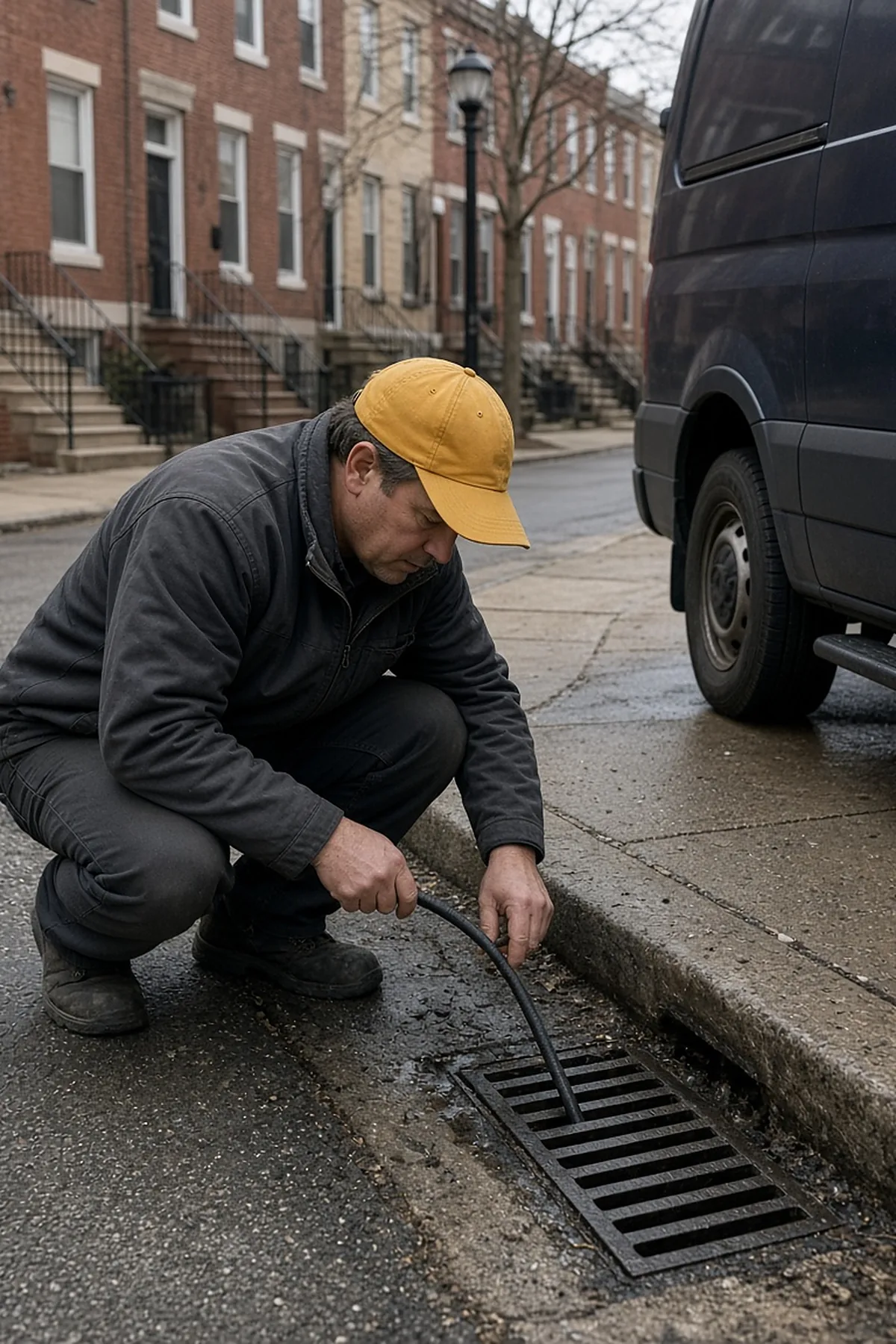
Mechanical root cutting to restore flow, with honest advice on how soon roots are likely to return.
No easy way into your sewer line? We install an accessible cleanout so future clearing is faster and cheaper.
Dig-and-replace for a single broken section, full lateral replacement, and trenchless options (pipe bursting or lining) where the line and site allow.
03Why old laterals fail
Most homes built before the 1960s in both cities have a sewer lateral made of clay (terra cotta) or cast iron. Clay pipe comes in short sections, and every joint is a spot where roots can get in or the pipe can shift. Cast iron rusts from the inside and scales up until it cracks. Freeze-thaw ground movement and old street trees speed all of it up.
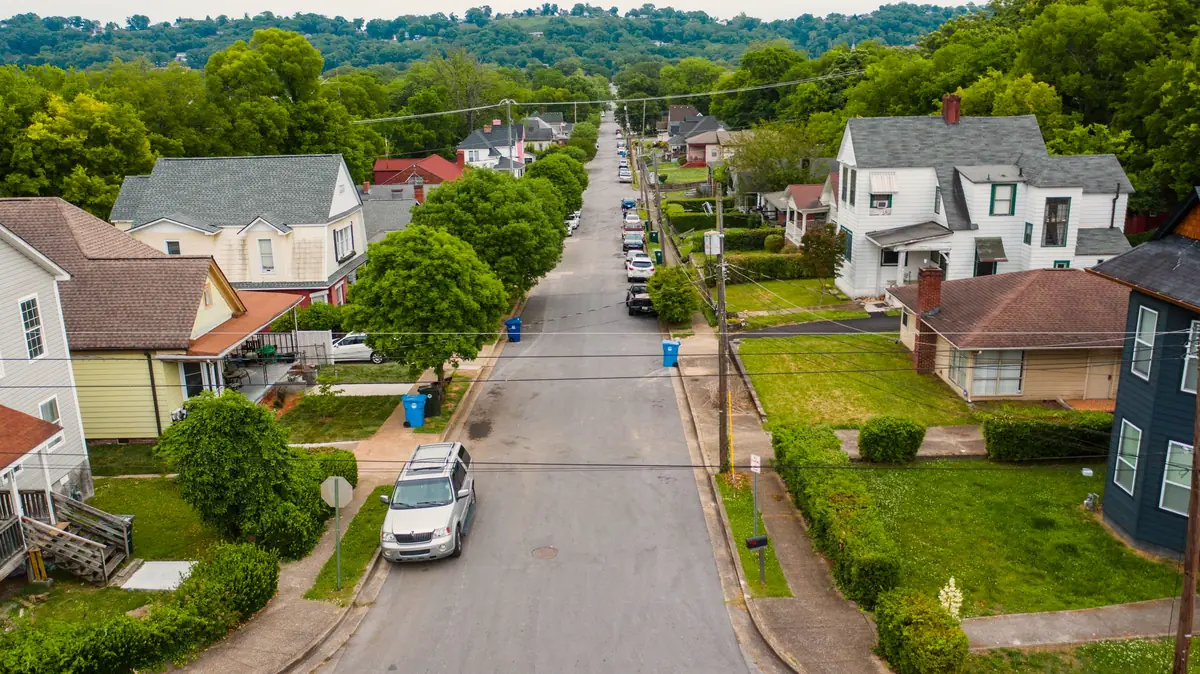
In both Pittsburgh and Philadelphia, the homeowner is generally responsible for the lateral from the house to the public sewer main. We'll help you understand where your responsibility likely ends and what your city or township requires.
04How a sewer visit works
If you're backed up, we get water moving first.
We record the full run from the cleanout to the main, and note the depth and location of any problem.
You see the footage. You get a flat-rate price for each reasonable option: clean and monitor, spot repair, or replacement.
After a repair, we run the camera again so you can see the result.
05In your city
PIT · (412) 555-0144
Steep lots mean long laterals, sometimes running under a front yard, sidewalk and a set of concrete steps before they reach the street. Hillside soil shifts, and freeze-thaw cracks clay joints. Some municipalities around Pittsburgh ask for a sewer lateral inspection or dye test before a home sale, and we can camera the line ahead of time so you're not surprised. Pittsburgh crew

PHL · (215) 555-0189
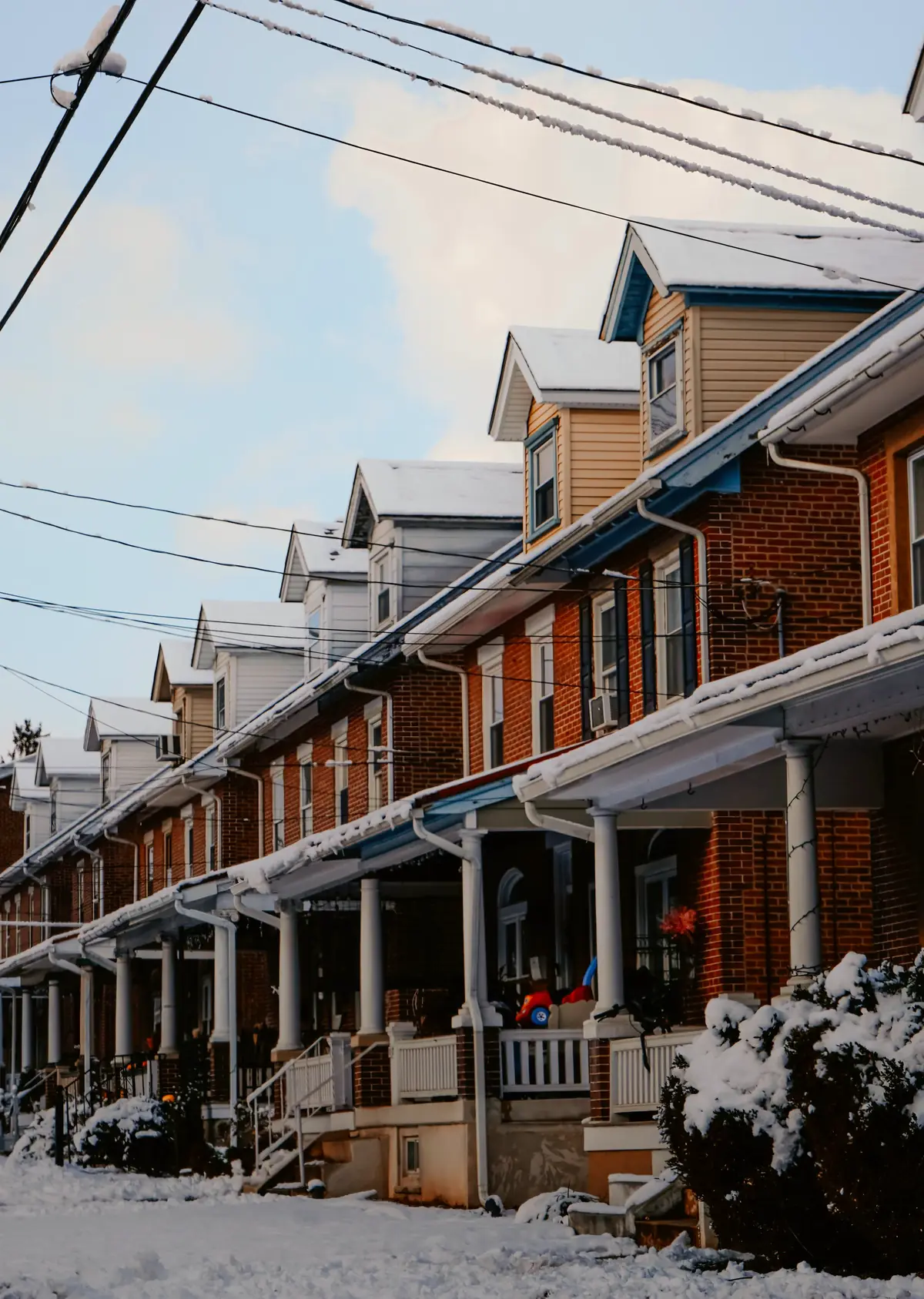
Many rowhouses have a house trap, a U-shaped fitting under the basement floor or in a pit near the front wall, with a vent on the front of the house. Traps clog and the vent caps go missing. Some older homes also have roof and yard drains tied into the same sewer line. We clear traps, replace broken ones, and camera from the trap out to the main under the street. Philadelphia crew
06Sewer and drain questions
If you've had more than one main line backup, you're buying an older home, or roots keep coming back, a camera inspection is worth it. It shows exactly what's wrong and where, so you only pay to fix the real problem. We record the inspection and send you the video for your records.
For pipe in decent shape, yes, and it cleans far better than a cable alone. On badly cracked clay or thin, rotted cast iron, jetting can make things worse. That's why we camera the line before jetting. If the pipe can't take it, we'll tell you and recommend a gentler approach or a repair.
Sometimes. Trenchless methods like pipe bursting or cured-in-place lining can replace or reline a lateral through one or two small pits. They need the right pipe conditions and access. On steep hillside lots or lines under stoops and sidewalks, trenchless can save a lot of digging. We'll tell you after the camera inspection.
Older parts of both cities use combined or overloaded sewers, and roof drains on some houses still feed the same line. In a heavy storm the main can surge and push water back up your lowest drain. A backwater valve, disconnecting roof drains where allowed, or clearing a partial clog can help. We'll find which one applies.
Next step