Furnace repair
Ignitors, flame sensors, inducer motors, pressure switches, blower motors, control boards and gas valves. Every repair includes a carbon monoxide check at the flue and a look at the heat exchanger.

Heating
Forced air, hot water radiators or a steam system that clanks every morning, we work on all of it. Diagnosis first, price before we start, and a tech who's seen a hundred systems like yours.
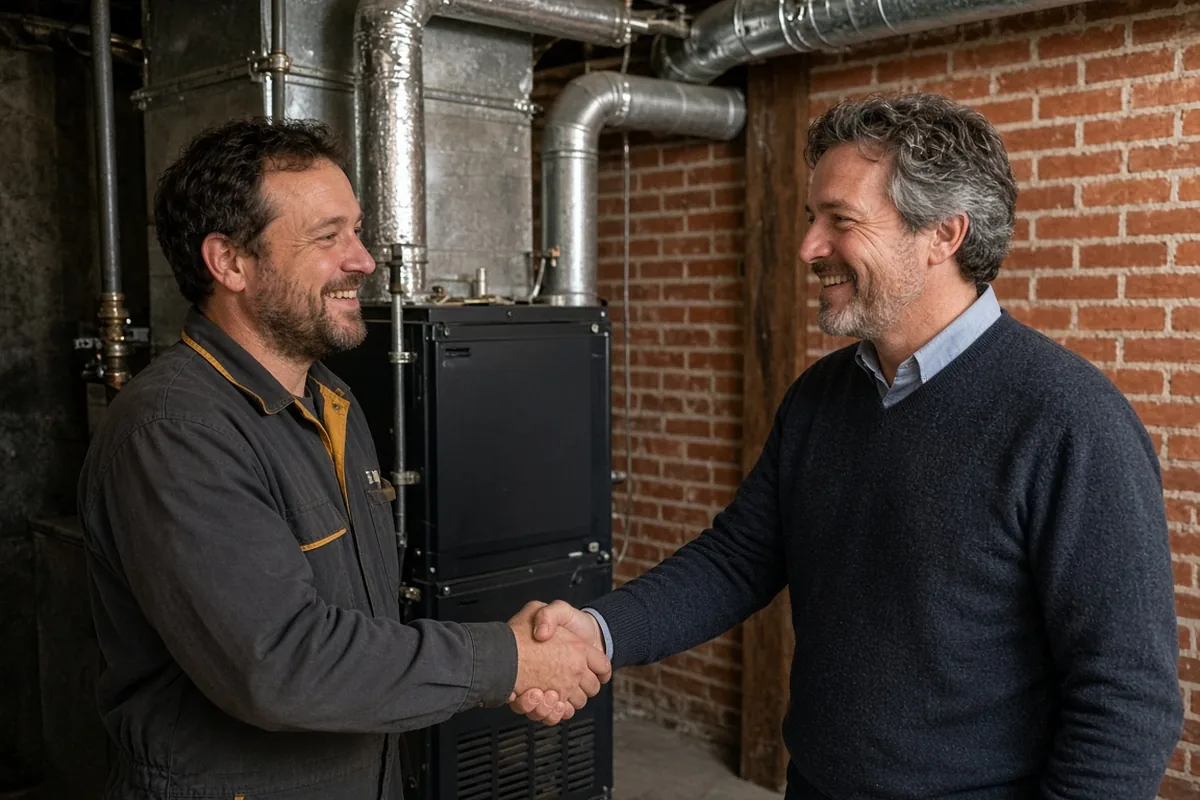
01Gas furnaces
Ignitors, flame sensors, inducer motors, pressure switches, blower motors, control boards and gas valves. Every repair includes a carbon monoxide check at the flue and a look at the heat exchanger.
We size the new furnace with a room-by-room heat loss calculation. Many older houses in both cities have furnaces far bigger than they need, which makes them short-cycle and wear out early. You get two or three options in writing, with permits and haul-away included.
02Hot water boilers and radiators
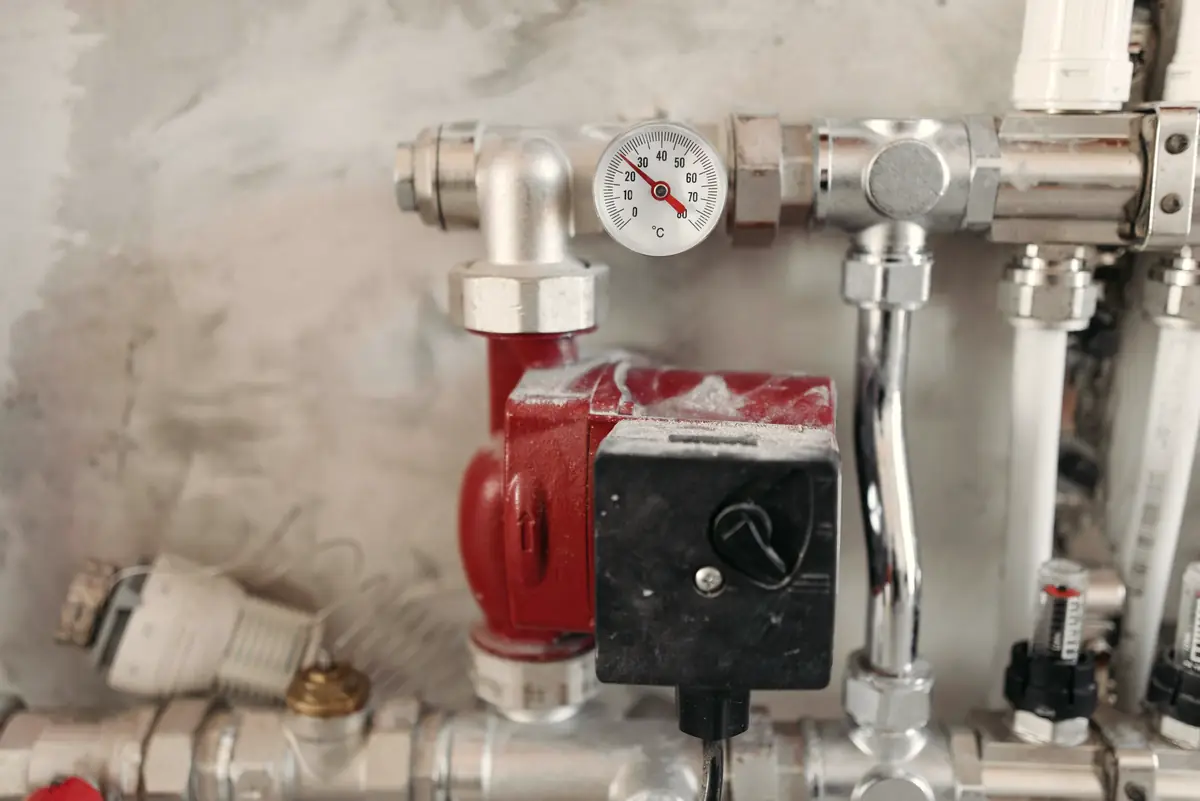
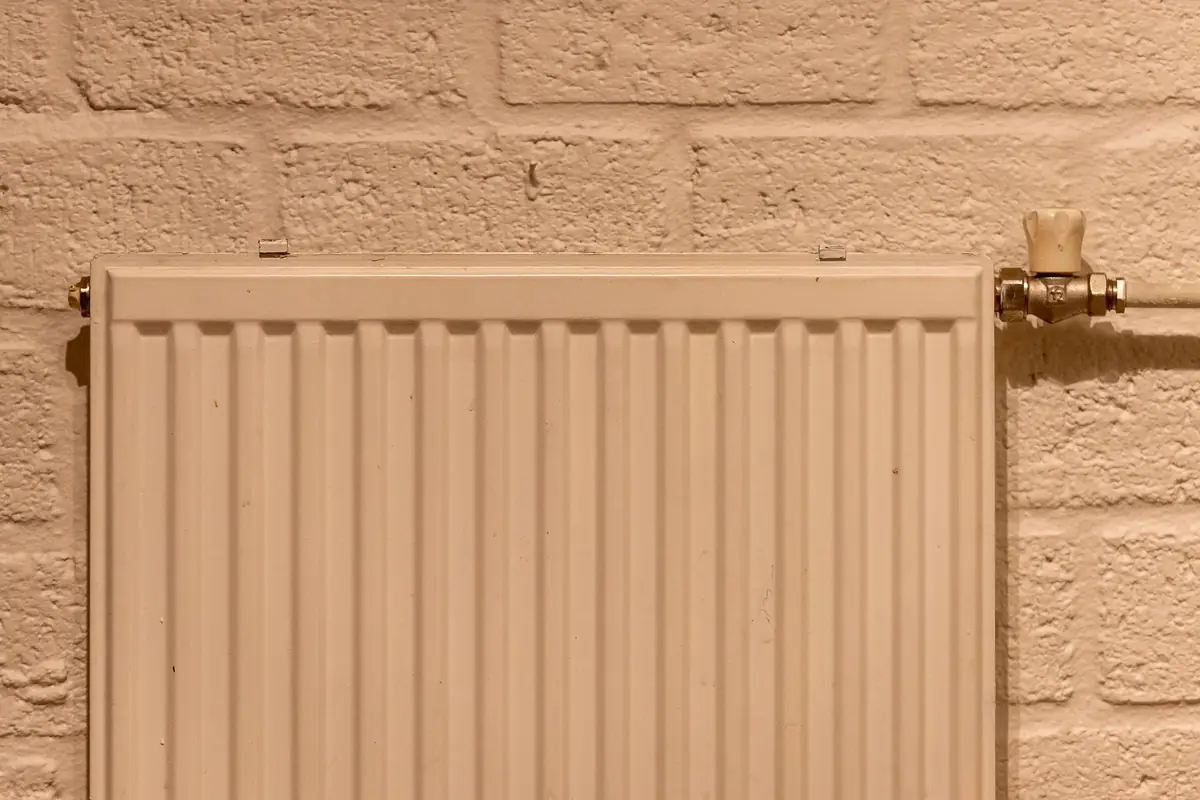
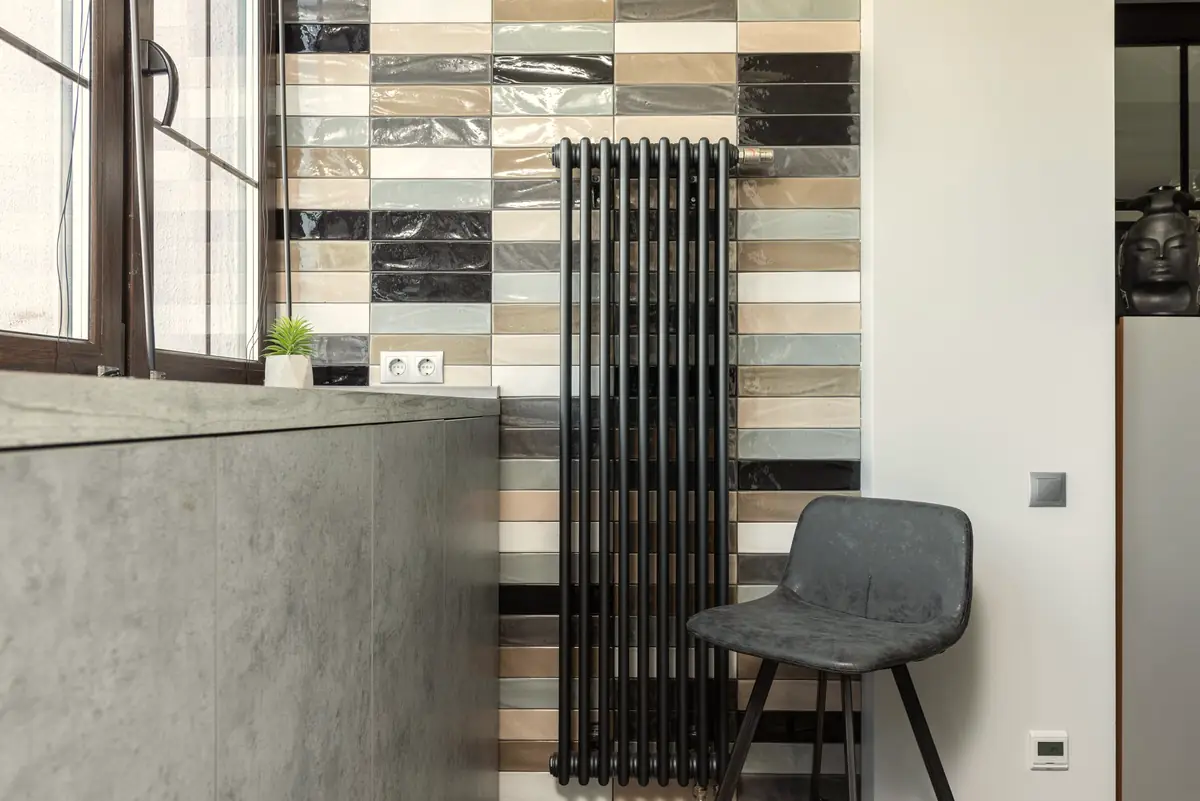
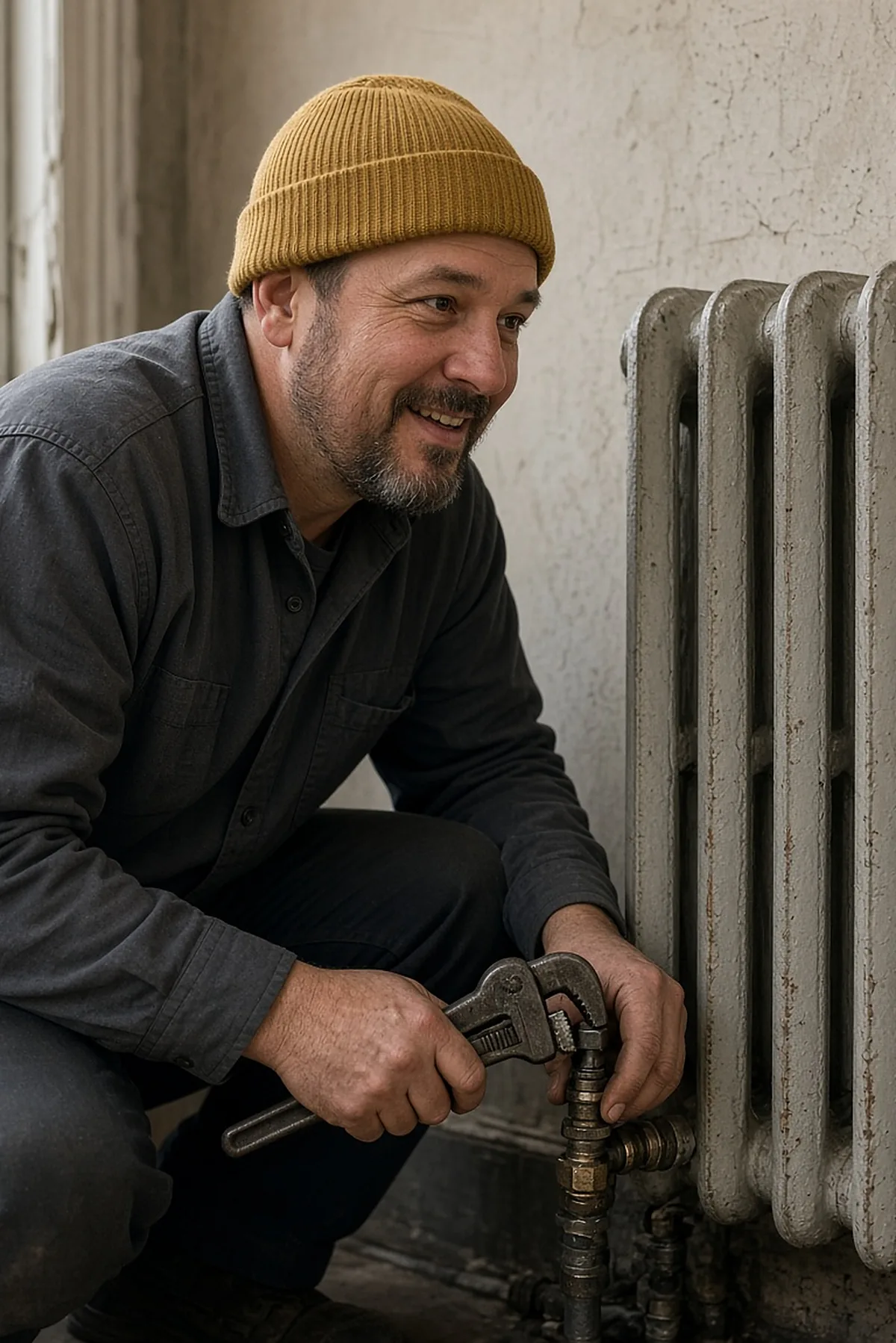
Plenty of homes in both cities still heat with a boiler and cast-iron radiators or baseboard. It's comfortable, quiet heat when it's kept up.
03Steam boilers
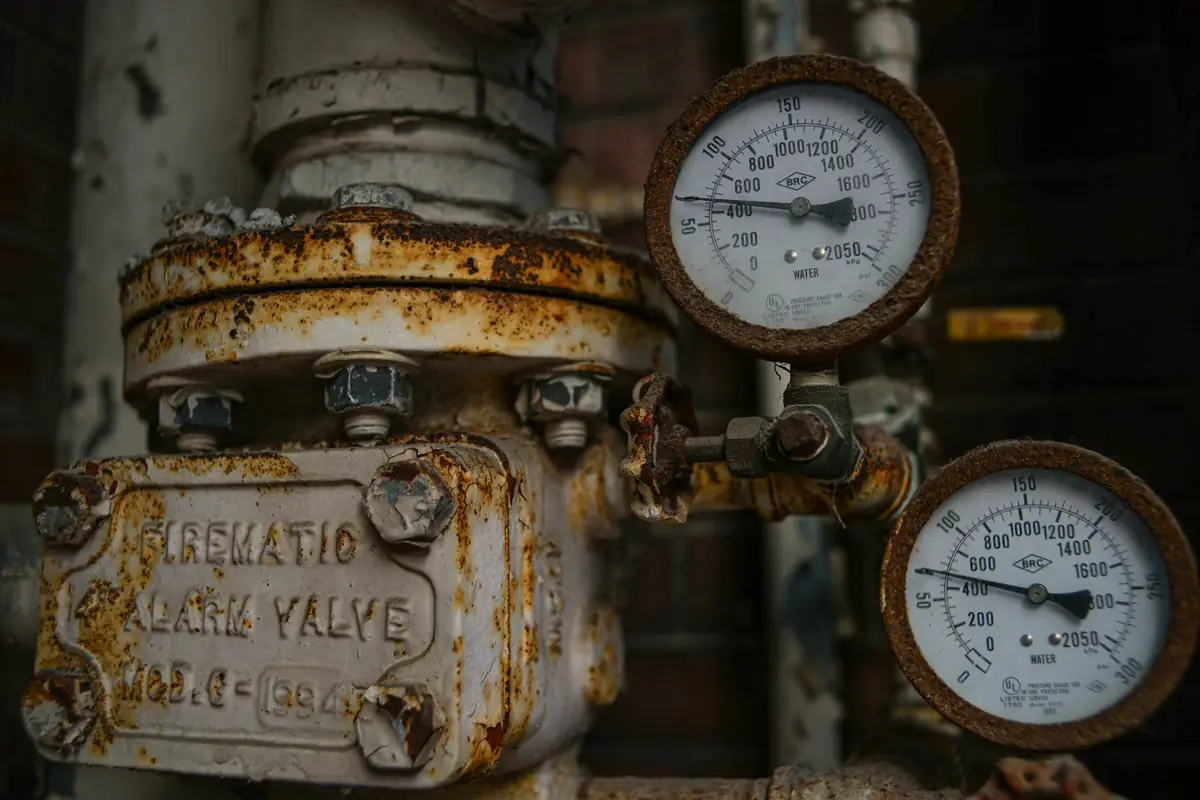
Steam is common in older Pittsburgh houses and Philadelphia rowhouses and twins. It's simple and durable, but it needs someone who understands it.
If your steam boiler is set at a high pressure, it's probably wasting fuel. Most home steam systems run best at very low pressure. We'll check yours.
04Heat pumps
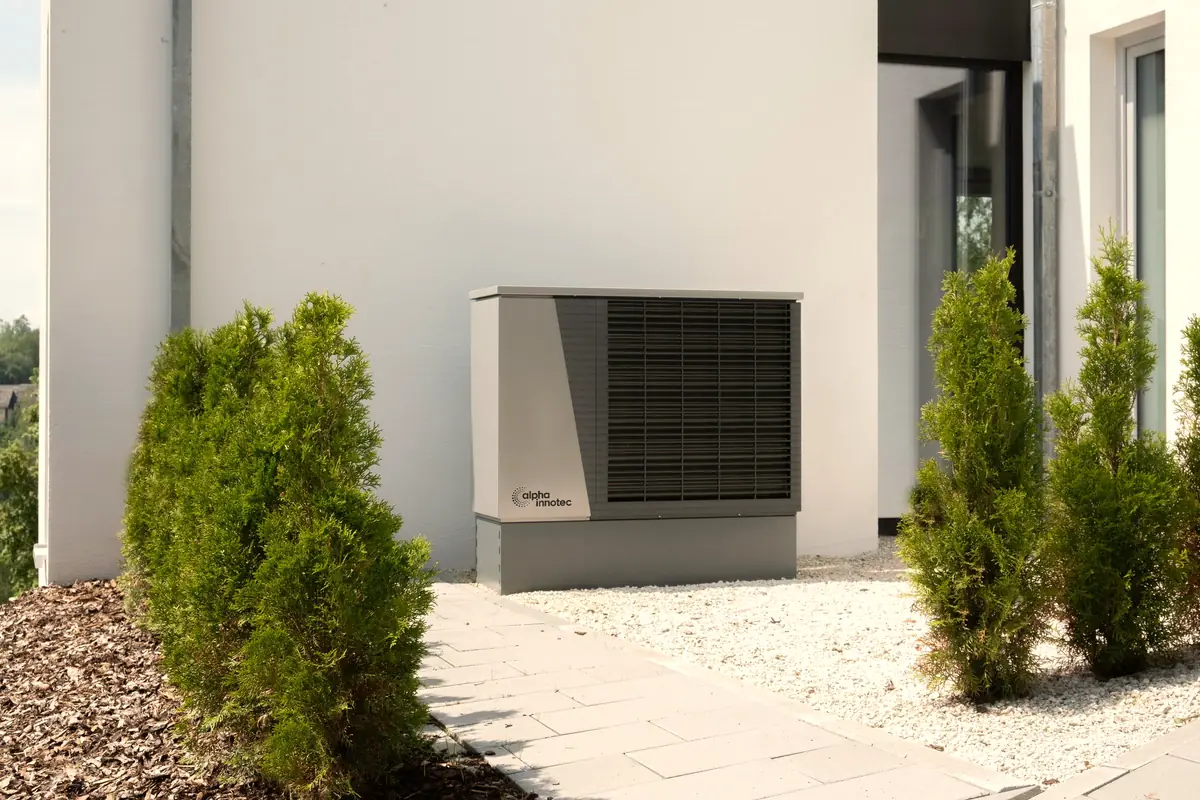
Cold-climate heat pumps work well in Pennsylvania winters, and many homeowners pair one with a gas furnace as a dual-fuel system. Ductless heat pumps are a strong choice for rowhouses and boiler homes with no ductwork. We'll look at your panel, ducts and goals and tell you honestly if it fits.
Rebates and tax credits change. We'll point you to current programs, but we won't promise amounts we don't control.
05Chimneys, venting and carbon monoxide
Older homes often have a furnace or boiler and a water heater sharing one chimney. Replace one with a high-efficiency unit that vents through the wall, and the other can be left in a chimney that's too big to draft well. We check venting on every heating job and every water heater replacement, and test for carbon monoxide. If you don't have CO alarms near bedrooms, we'll tell you where to put them.
06In your city
PIT · (412) 555-0144
Lots of Pittsburgh houses from the early 1900s started with coal-fired gravity heat. Many still have the original big ducts or a gravity hot water system with oversized pipes. Hillside homes can also have a long, cold run to the third floor. We work with what's there before suggesting a full redo. Pittsburgh crew
PHL · (215) 555-0189
Rowhouses often have a gas boiler or furnace in a tight basement, radiators on every floor, and sometimes a back bedroom over the kitchen addition that never gets warm. Ductless heat pumps and better zoning fix a lot of those rooms. Philadelphia crew
07Heating questions
Banging in steam systems usually means water is trapped somewhere it shouldn't be, often a pipe or radiator that has lost its slope back to the boiler. Other causes are a boiler that's overfilled or running too much pressure. We can usually fix it by re-pitching a radiator or pipe, adjusting pressure, or replacing a failed vent.
Once a year, ideally in early fall before you need it. A tune-up cleans the burners, checks safety controls and carbon monoxide levels, and catches worn parts before they fail on a cold night. Steam boilers also need the low-water cutoff checked regularly. Our Keystone Care Plan schedules it for you.
Often, yes. In forced-air homes it's usually duct sizing, closed or blocked returns, or a furnace fan speed that's set wrong. In boiler homes it can be air in the radiators or a circulator that's too small. For a room over a kitchen addition or porch, a ductless head is often the cleanest fix.
Next step