Usually worth repairing
- Thermocouple or flame sensor on a gas heater
- Gas control valve
- Heating elements or thermostats on an electric heater
- Leaking drain valve or fitting
- Relief valve replacement
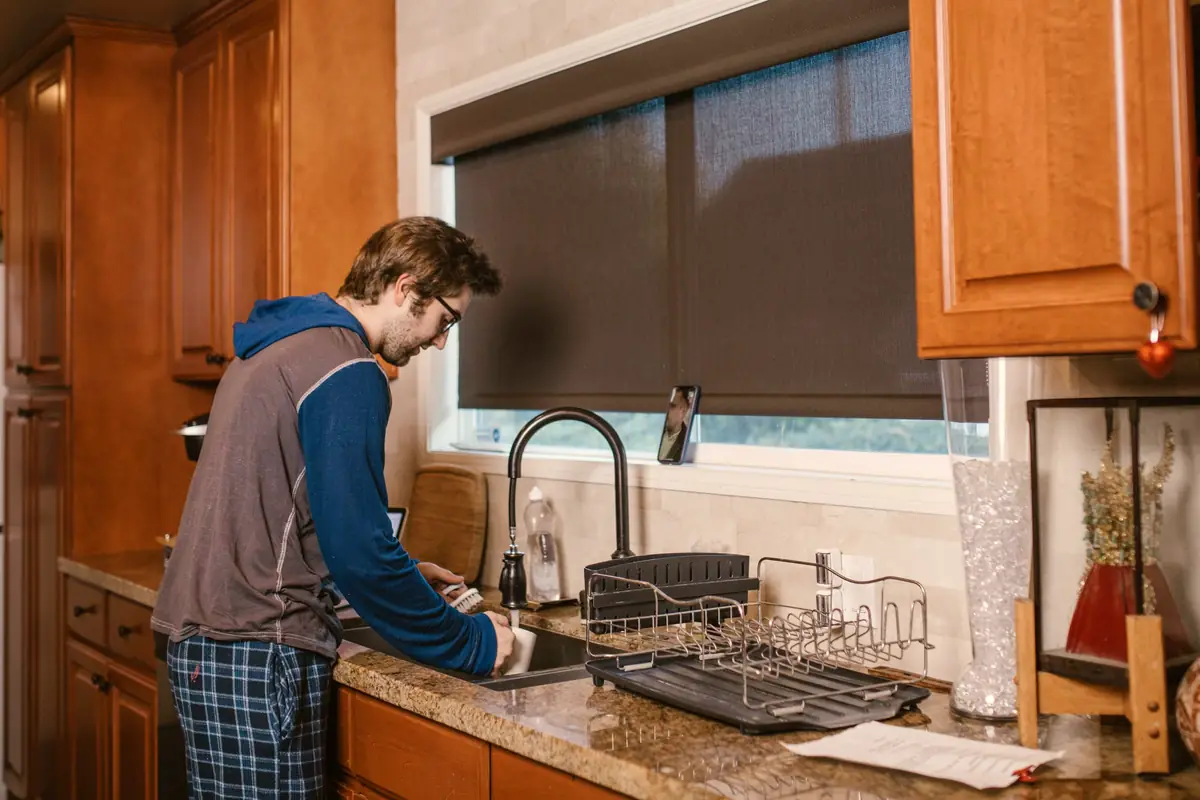
Water heaters
No hot water, rusty water, or a puddle under the tank? We repair and replace gas, electric and tankless water heaters in Pittsburgh and Philadelphia, and we carry common sizes on the truck so many swaps happen the same day.
01Signs your water heater needs attention
If the tank itself is leaking: turn off the cold water valve on top of the heater, turn the gas control to Pilot or Off (or flip the breaker on an electric heater), and call us.
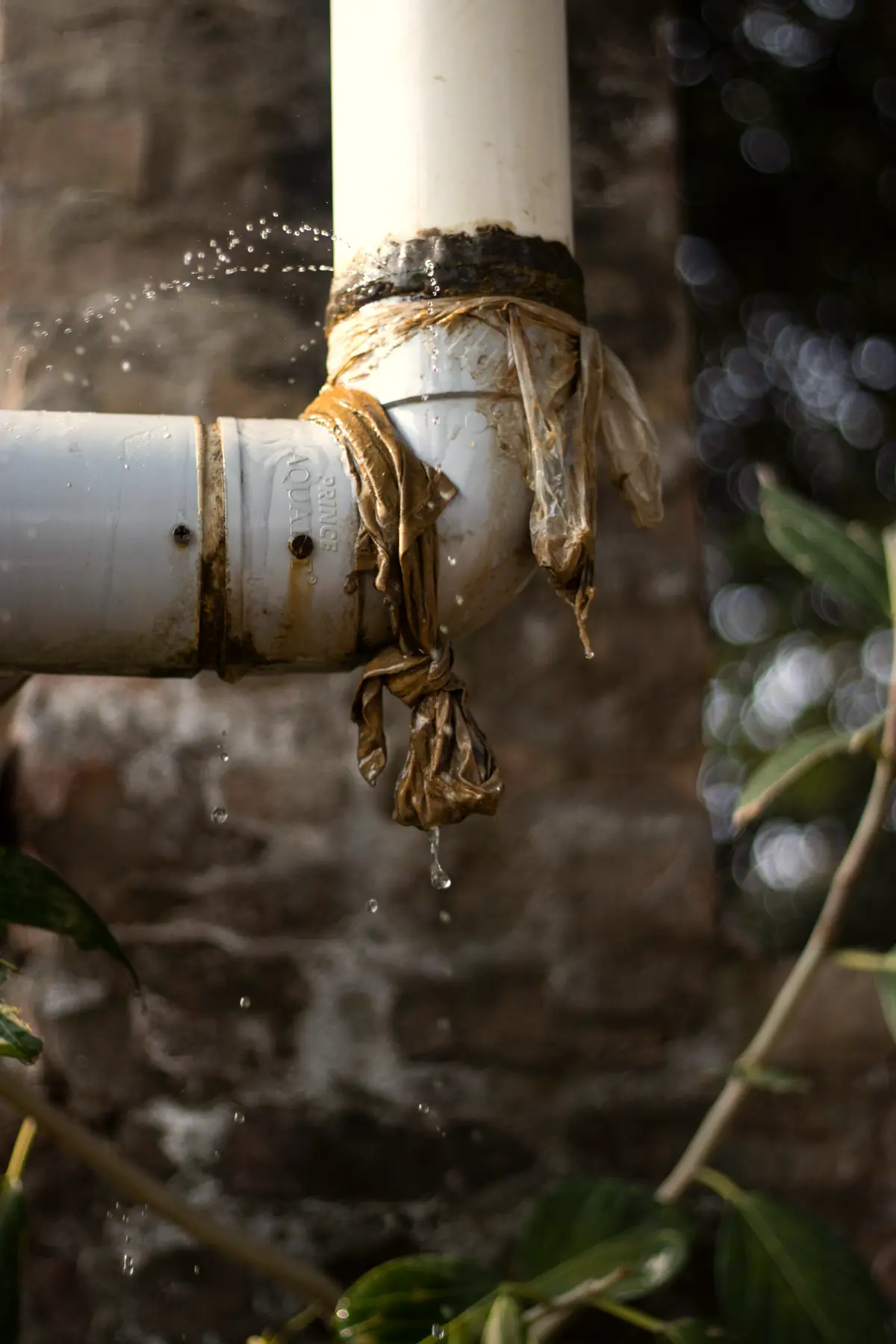
02Repair or replace?
We'll tell you which side of the line yours is on, and show you why.
03Replacement options
The most common choice. We match or right-size the capacity to your household, not just what was there before.
When a new furnace leaves the old water heater alone in a big chimney, it can draft poorly. A power-vent or direct-vent heater vents through the wall instead. We check chimney draft on every replacement.
Endless hot water and wall-mounted to save floor space. Tankless needs the right gas line size and venting, and older homes often need upgrades for both. We'll quote it honestly, including when a tank is the better buy.
Very efficient in a large, warm basement. Not a fit for every tight rowhouse basement. We'll check space and airflow first.
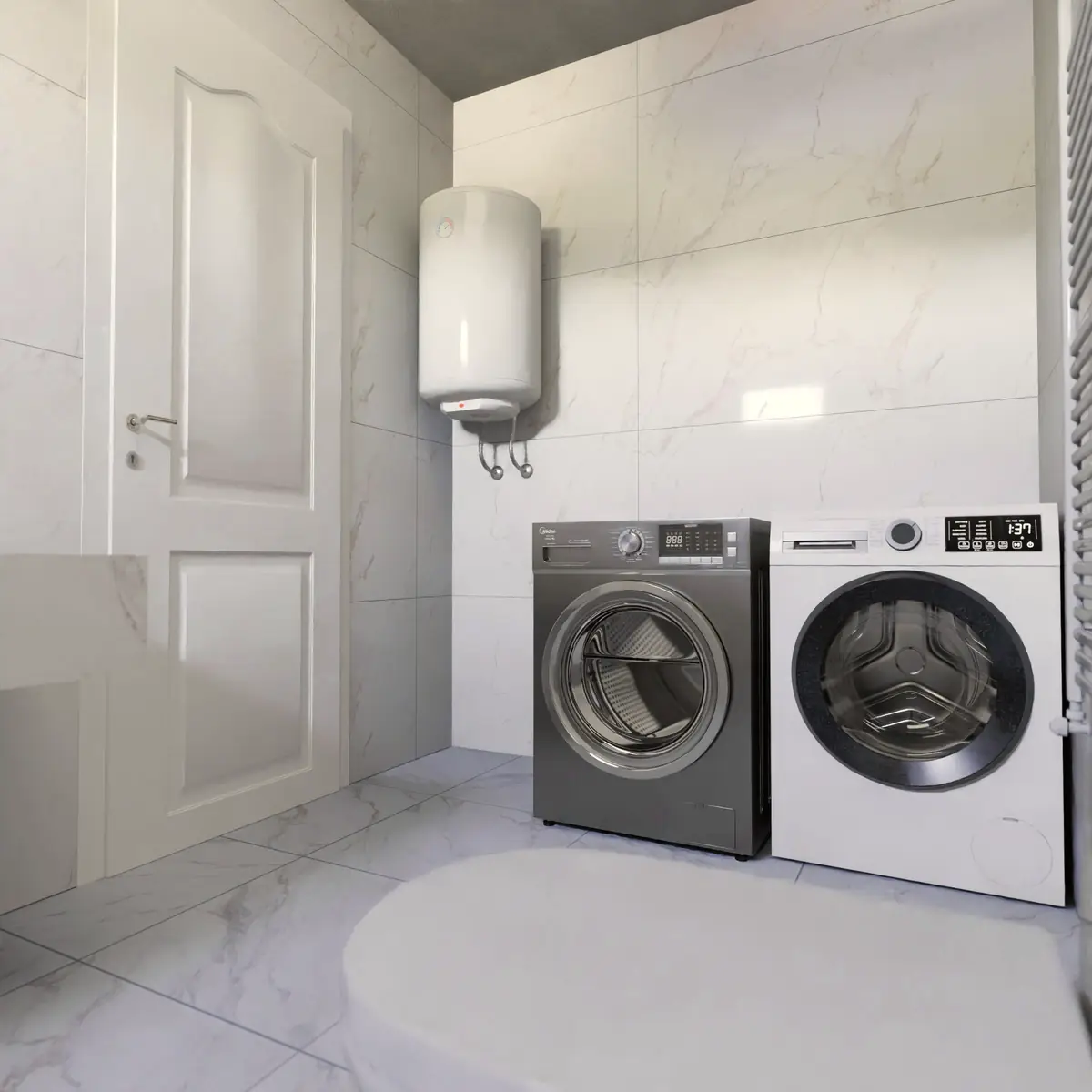
04What's included in a replacement
Every replacement gets an upfront, flat-rate price in writing before we start.
05Tight basements, old stairs
We've carried water heaters down steep Pittsburgh basement steps, through Philadelphia rowhouse basements with five feet of headroom, and around stacked laundry and storage. We protect floors and stair treads, and if a full-size tank truly won't fit, we'll show you lower-profile or tankless options.
06In your city

PIT · (412) 555-0144
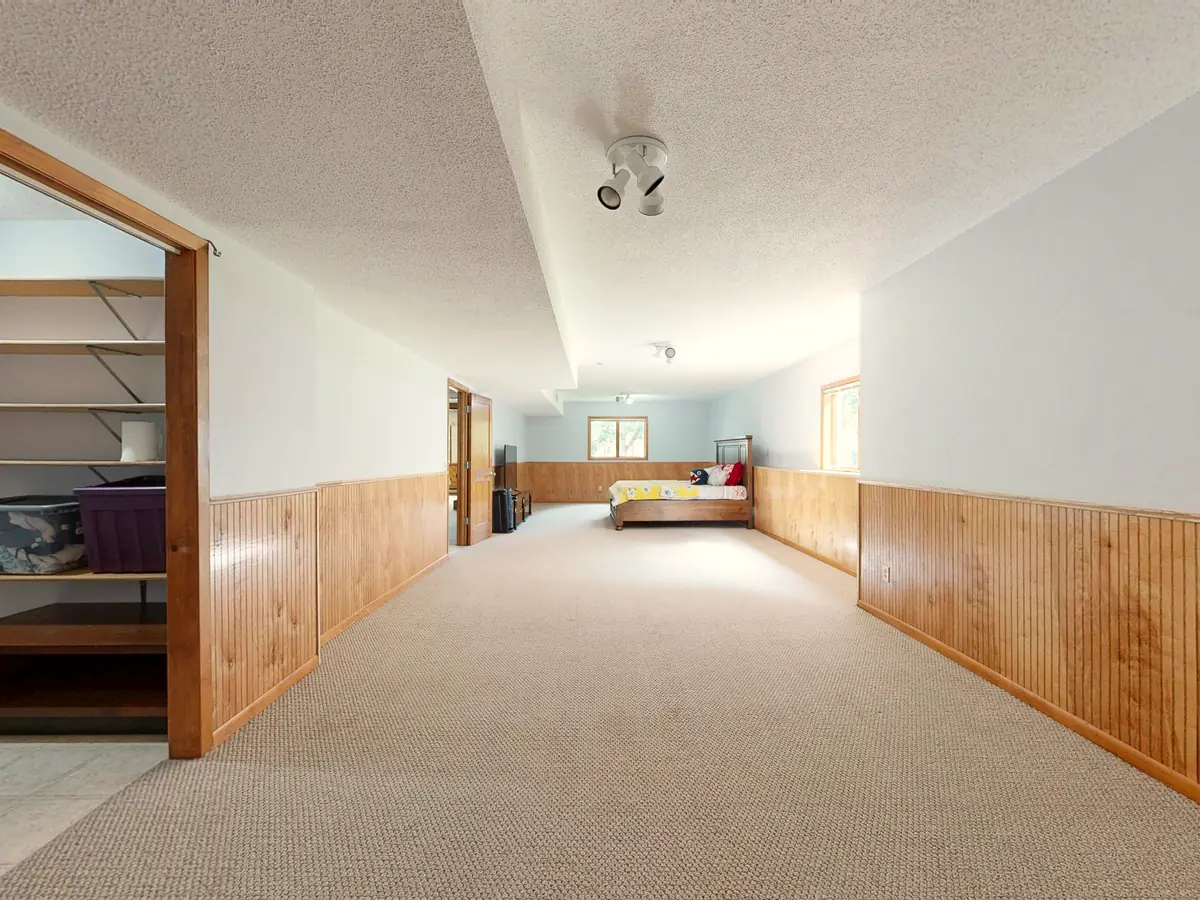
Many Pittsburgh basements are partly below grade on the uphill side and damp in spring. We set heaters on a raised pad when the floor takes on water, and check for a nearby floor drain. Pittsburgh crew
PHL · (215) 555-0189
Rowhouse basements are narrow, and the water heater often shares a wall with the neighbor's. We plan the route in and out before we start, and keep venting and gas lines tidy along the party wall. Philadelphia crew
07Water heater questions
A straight swap of a gas or electric tank usually takes a few hours, and many are done the same day you call if we have your size on the truck. Tankless installs or jobs that need new venting, gas line upgrades, or a relocated heater can take a full day. We'll give you a realistic timeline before we start.
A standard tank water heater often lasts around 8 to 12 years, depending on water quality, how hard it's used, and whether it's been flushed. Tankless units can last longer with regular descaling. If yours is past ten years and showing rust or leaks, it's smart to plan a replacement before it fails.
Tankless makes sense if you want endless hot water, need floor space, and plan to stay a while. In older Pittsburgh and Philadelphia homes, it often needs a bigger gas line and new venting, which adds cost. We'll price both options side by side so you can see the real difference.
Rusty hot water usually means the tank's anode rod is used up and the tank is starting to corrode inside. Sometimes it's old galvanized pipe instead. If only the hot side is discolored, the water heater is the likely cause. We can check the anode and tell you if a replacement is close.
Next step